Coverage, laid solid
for the floor and
tile trades.
Tile setters, hardwood and carpet installers, masonry and stone crews, and floor-shop owners - Floor Mason Health finds health coverage built around knee and back strain, silica dust exposure, and the reality of working 1099 with no employer plan. Free guidance.
Trade-risk board.
The floor and tile trades carry exposures that generic plans miss. Here's how we sort them.
Knee, back & musculoskeletal injury
Tile and flooring is kneeling work; masonry is lifting and hauling work. Both wear down knees and lower backs over a career. Comprehensive orthopedic, PT, and chiropractic coverage matters most for this trade.
Silica dust & chemical exposure
Cutting stone, brick, and concrete throws respirable silica dust; thinset, grout, and adhesives add a skin and airway exposure on the tile side. Both point toward stronger pulmonology and dermatology coverage.
Repetitive strain
Constant kneeling, lifting, and swinging a trowel or hammer adds up. Routine PT access helps catch strain before it becomes a long-term disability claim.
Coverage paths board.
Six coverage cards, sorted by trade fit. Open any card to compare plans.
Individual ACA Plans
Marketplace plans with subsidies. Most solo installers qualify for meaningful tax-credit reductions.
-> Open cardACCIDENTFloor-Trade Accident Insurance
Cash payouts for falls, lacerations, knee tears. Pairs with ACA to cover deductibles.
-> Open cardDISABILITYShort-Term Disability
Income protection if a knee surgery or back injury keeps you off the job site for weeks.
-> Open cardGROUPFloor-Shop Group Plans
2-50 installers. Group health plans with predictable premiums and tax-deductible contributions.
-> Open cardDENTAL + VISIONDental & Vision
Standalone plans starting at $19/mo dental, $12/mo vision. Bundle for around $28/mo.
-> Open cardORTHOOrthopedic Supplement
Trade-specific add-on covering PT visits, knee braces, and orthopedic specialist copays.
-> Open cardWho we work with.
Four trades, four lists. Each gets a coverage path built for their day-to-day risks.
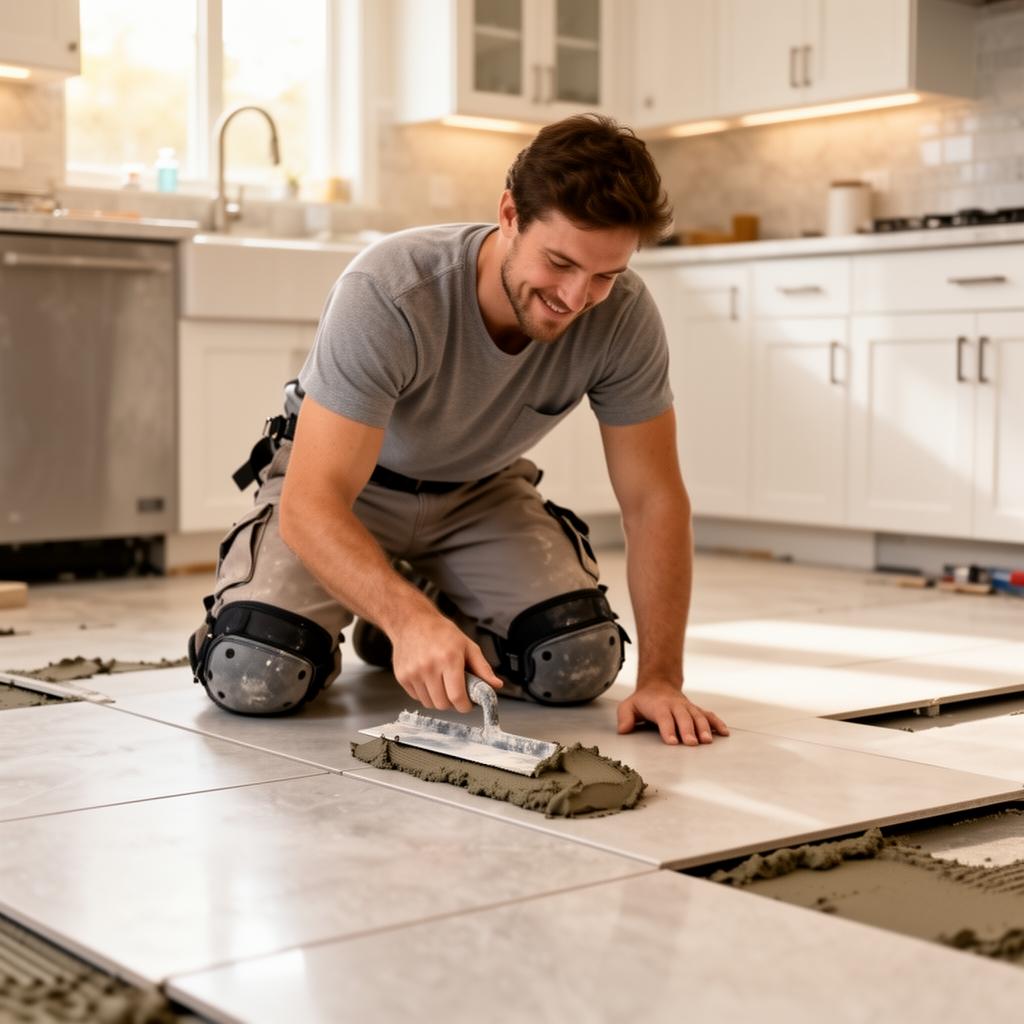
Independent kitchen/bath specialist
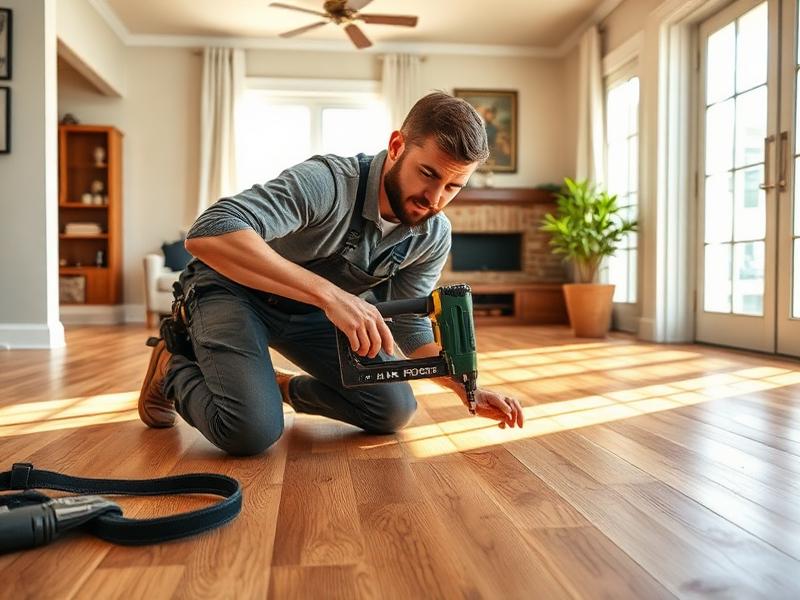
Residential and commercial

Often 1099 contractors

Brick, stone, concrete - different exposure
Four steps.
A checklist, not a runaround.
Tell us the trade
Tile, hardwood, carpet, or masonry - plus solo or shop.
Get plan options
We pull ACA + supplemental + group options that fit.
Talk to a real advisor
Licensed agent who speaks trade - no robots, no pressure.
Enroll & get covered
Same-day in many states. Coverage starts as soon as the 1st.
Why installers pick us.
Built for floor trades
We know the difference between a tile setter's knees and a mason's lungs.
Licensed humans
Talk to a real licensed agent who speaks construction. No robots.
Free guidance
Free service. No obligation. Free to walk away with a list of plans.
Wherever you work
Coverage in every state. Plans in every market we serve.
Three boards. Pick yours.
Solo Installer
- Marketplace plan match
- Subsidy calculation
- Free accident add-on review
- Dental + vision bundle option
Floor-Shop Crew
- 2-50 installer group plan
- Tax-deductible employer share
- Dental + vision available
- Disability rider included
Trade Owner+
- Group health + dental + vision
- Workers' comp coordination
- Disability + life
- Annual benefits review
*Subsidy eligibility based on income and household. Quote required.
What coverage can look like.
These are illustrative examples of coverage combinations, not verified customer reviews. Names are first-name-only and details are representative of trade-typical scenarios. Your actual plan and pricing depend on your own quote.
"I was looking for an ACA Silver plan plus an accident add-on for less than I was paying COBRA. My advisor walked me through the options in one call."
"We wanted a group plan our installers would actually use, dental included. Floor Mason helped us compare options and build a package we could afford."
"As a 1099 installer I wanted a Bronze ACA plan paired with a knee-focused orthopedic supplement. That combination made sense for my situation."
Talk to a floor-trade advisor.
A few quick questions. A licensed Floor Mason Health advisor will reach out with plans built for the trade.
- Licensed insurance agency · all 50 states
- Trade-specific advisors who speak construction
- No SSN required for a quote
- Free service · no obligation to enroll
- Talk to a real human, not a chatbot
Who are you covering?
We'll tailor options for the right trade fit.
Floor-trade FAQs.
Plain answers, sorted by topic.
Kneeling work means knee, meniscus, and IT-band injuries are the most common claims for tile setters and flooring installers. We recommend an ACA plan with strong outpatient orthopedic coverage - typically a Silver or Gold tier with a low specialist copay - plus an accident insurance rider that pays a cash benefit for knee injuries, MRIs, and surgical procedures. Many installers also add an orthopedic supplement that covers physical therapy visits with no deductible.
Most ACA major medical plans cover respiratory and skin conditions caused by occupational chemical exposure as long as the plan is in force at the time of diagnosis. We help installers pick plans with strong dermatology and pulmonology specialist networks, and pair them with disability coverage in case a chronic exposure issue keeps you off the job. Workers' comp covers acute on-the-job exposure for W-2 employees; 1099 installers need their own disability plan.
Yes. Group health plans are available for businesses with 2 or more eligible employees. For a 7-installer shop, we typically build a small-group plan with a 50/50 employer-employee premium split, dental and vision riders, and an optional short-term disability rider. The employer's contribution is fully tax-deductible. We can run a 48-hour quote with three carrier options.
Most likely yes. If your household income is between 100% and 400% of the Federal Poverty Level you qualify for premium tax credits. For a single 1099 installer earning $30,000-$60,000/year, subsidies often reduce a Silver-tier premium to $0-$150/month depending on age and ZIP. We calculate your exact subsidy at no cost.
Yes. Tile setters are primarily indoor and kneeling - knee and back claims dominate. Masonry workers are outdoor, lifting heavier material, exposed to weather and silica dust. Masons benefit more from respiratory coverage, weather-injury riders, and stronger short-term disability for cold-weather slowdowns. Tile setters benefit more from outpatient orthopedic and PT coverage.
Possibly. A drop in household income that changes your subsidy eligibility is a qualifying life event triggering a 60-day Special Enrollment Period. Losing job-based coverage (including end of a contract job) also triggers SEP. We can review whether your seasonal pattern qualifies you for an off-Open-Enrollment plan change.
Self-employed installers operating as a sole prop or single-member LLC can typically deduct 100% of their health insurance premium as an above-the-line deduction. Multi-member LLCs and S-corps have different rules - usually involving owner reimbursement through an HRA or accountable plan. Always confirm with your CPA, but we can structure the coverage so the deduction is straightforward.
Plans compared across leading carriers